
This project is funded by a Folke Bernadotte Academy (FBA) research grant, (July 2024-December 2025), and co-led by Dr Helen Berents (Griffith), Dr Yulia Nesterova (Glasgow), Dr Ingrid Valladares (Griffith), and Katrina Leclerc (Université Saint Paul).
Project Summary
The Youth Peace and Security (YPS) agenda was established in 2015 by the UN Security Council. It requires States and other stakeholders to meaningfully engage youth in responding to peace and security. In addition to policy development by the UN and regional bodies, as well as civil society actors, national governments have begun creating and implementing National Action Plans (NAPs) for YPS in their national context. These processes involve the collaboration of stakeholders from government, youth-led civil society, youth-serving (adult-led) civil society, regional and international actors and observers.
Through the global YPS agenda the value/importance of intergenerational engagement – whether in the form of dialogue, partnerships, solidarity, or some other – is being increasingly recognised. However, the practical implementation and implications of an intergenerational approach to peacebuilding within the framework of YPS has not been seriously considered.
This project undertakes the first academic multi-sited investigation into the role and practices of intergenerational engagement in formalised advocacy for the YPS agenda. It does this by exploring the perceptions and activities of stakeholders involved in creating and implementing the first four YPSNAPs launched globally: Finland (2021), Nigeria (2021), Philippines (2022; and the Bangsamoro regional YPS action plan in 2023), and DRC (2022). In doing this, it responds to calls to conceptualise intergenerational engagement and its practices more rigorously.
This project aims to understand what can be learned from existing intergenerational advocacy efforts for YPS to deepen understandings of intergenerational engagement as a peacebuilding tool. To do this, it pursues four research objectives:
- Understand how intergenerational engagement has been practiced within YPS coalitions and efforts towards NAPs on YPS.
- Identify the successes and challenges of intergenerational engagement in these spaces.
- Determine what factors predict success/failure in establishing meaningful intergenerational engagement.
- Investigate what strategies can be implemented to establish meaningful and effective intergenerational engagement based on this evidence.
Updates and outputs will be added to this page as they become available. If you want to know more about this project, please contact Dr Helen Berents.
Project Team
The project is co-led by a team of researchers from Griffith University, Glasgow University, and Université Saint Paul and supported by a Youth Expert Advisory Team of youth advocates who were involved in establishing YPS action plans in each of their national contexts to inform and collaborate throughout the project.
Research Team Members
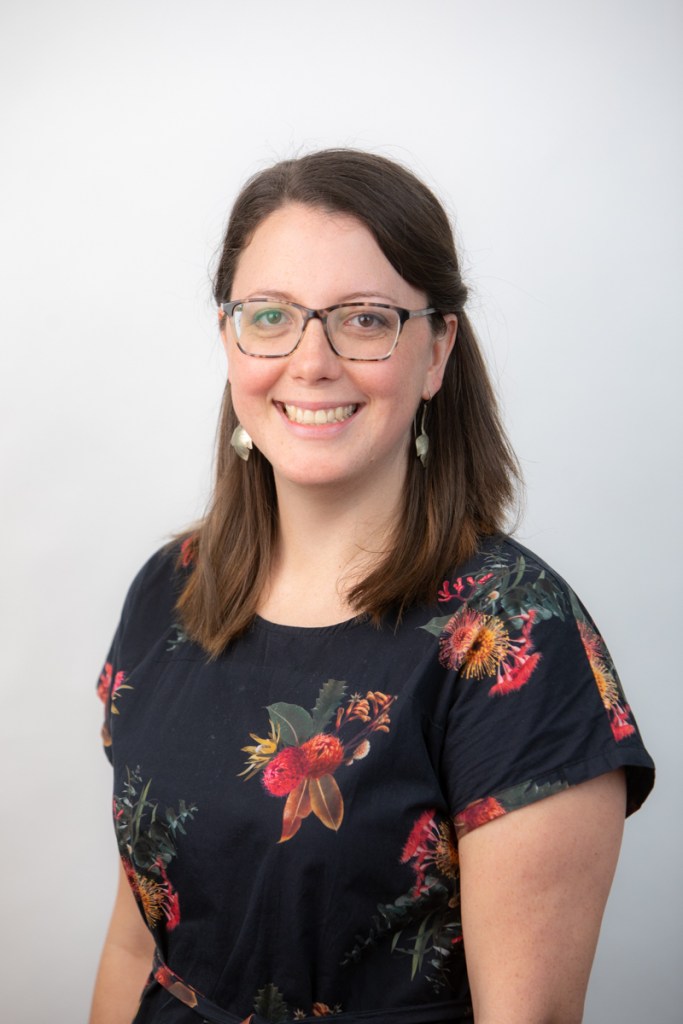
Helen Berents (she/her) is a Senior Lecturer in the School of Government and International Relations at Griffith University, Australia. She is the Diplomacy and Governance Hub Lead at the Griffith Asia Institute, and a member of the International Working Group on Youth, Peace, and Security at Folke Bernadotte Academy. She recently completed an Australian Research Council DECRA Fellowship which examined youth leadership and inclusion in the context of the YPS agenda. Her work draws on feminist IR, critical peace studies, and the sociology of youth to explore representations and participation of children and youth in peace and conflict, everyday peacebuilding, and local-global relations in peace and security governance.
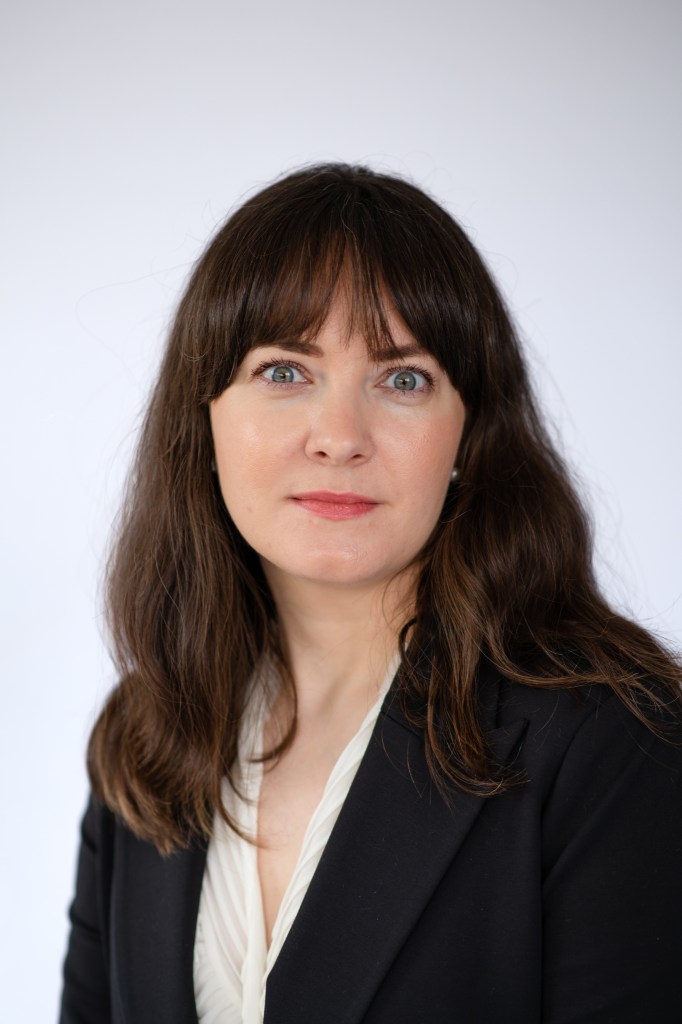
Yulia Nesterova (she/her), Ph.D. is a lecturer at the University of Glasgow, Scotland. Her research focuses on peace education; community engagement in peacebuilding; and youth-inclusive peacebuilding. Yulia co-led the development of a strategy on youth engagement in preventing violent extremism through Education and of a framework for Together for Peace programme for Asia-Pacific, both for UNESCO. She is a member of the International Working Group on Youth, Peace, and Security at FBA, the Swedish Agency for Peace, Security and Development.

Ingrid Valladares (she/her) received her PhD from the Centre for Justice, Queensland University of Technology, researching intergenerational dialogue and its role in young people’s political participation. Her research interests include youth political participation, intergenerational engagement for social cohesion and policymaking, environmental justice, and political activism. With over 10 years of experience in public policy, electoral participation, international relations, and community engagement, Ingrid has worked across government, not-for-profit, and community sectors. She holds a PhD, Dual Bachelor of Economics, a Bachelor of Education, and a Master of International Relations.
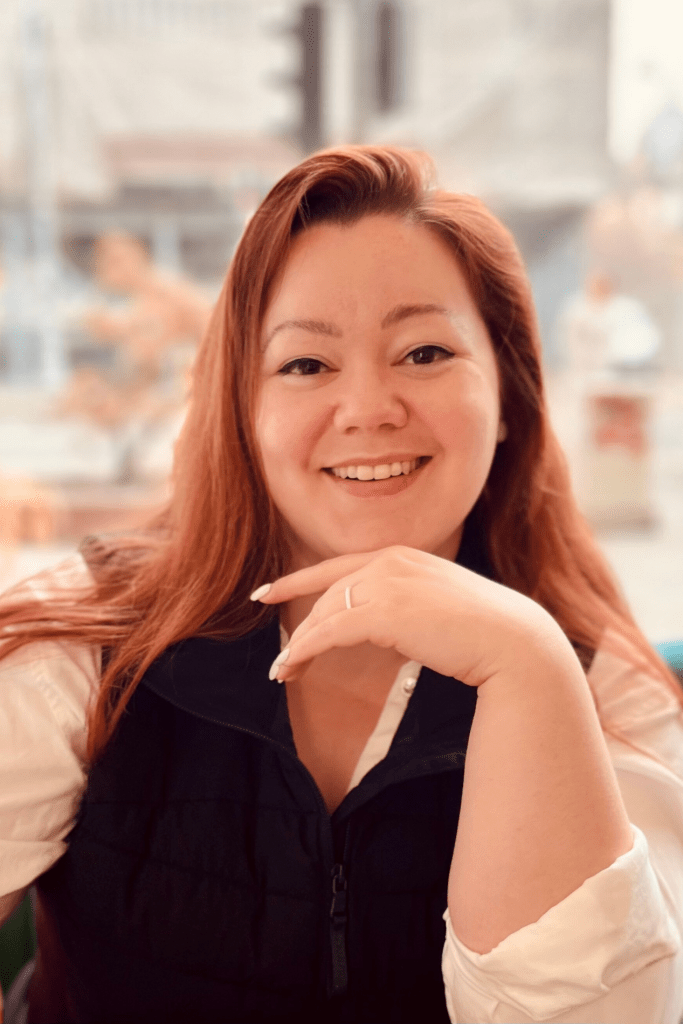
Katrina Leclerc (she/her) is a PhD candidate and part-time professor in Conflict Studies at Saint Paul University, and teaches at the University of Winnipeg and Senghor University. She is a gender and youth policy specialist who has advised governments, UN agencies, and NGOs across Africa, Latin America, the Middle East, and North America. Most recently, she was lead researcher for the UN Department of Peace Operations (DPO/OROLSI) on young women’s leadership and youth-centred approaches to transnational threats. Her research and practice focus on inclusive peacebuilding, feminist security governance, and meaningful participation in global policy spaces.
Youth Expert Advisory Team Members
Democratic Republic of Congo
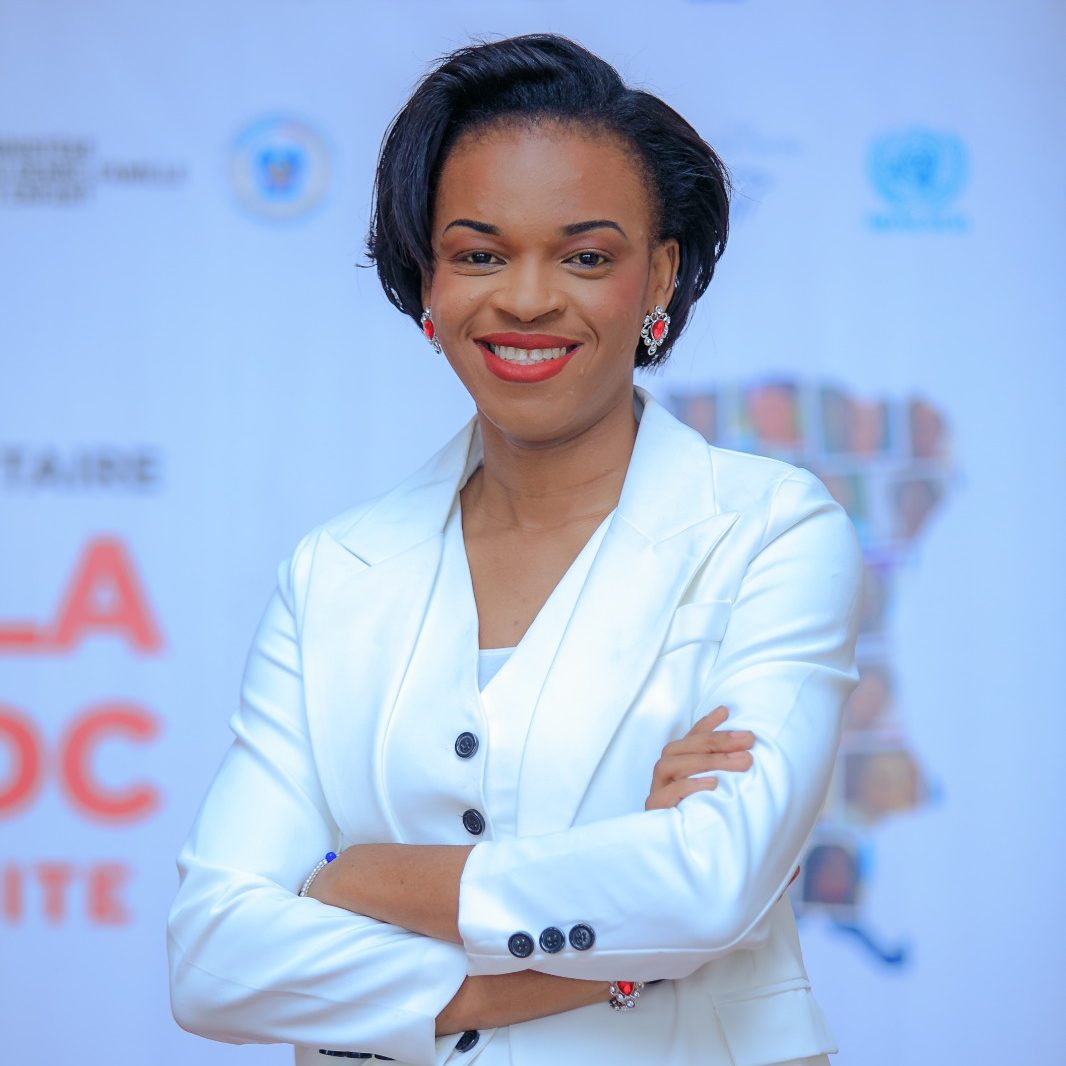
Lydie Mungala (she/her) is a Prison Rights and Peacebuilding advocate from the Democratic Republic of Congo, currently serving as the National Secretary and Co-chair of the DRC YPS Coalition. She has significantly contributed to the NAP elaboration process and has co-authored a thematic paper on young women’s involvement in the NAP, recognized by accolades such as the Mandela Washington Fellowship by the U.S State Department (2021) and the UNSCR 1325 Zaida Catalan scholarship by the Folke Bernadotte Academy (2023).

Marie-Rose Tshite (she/her) is a peacebuilding advocate and Ph.D. student in Political Science with a concentration in Feminist Comparative and International Politics at the University of Cincinnati. She has more than 10 years of experience working on women’s issues, youth civic-political participation, and democracy. She is a Fulbright alumnus, a Young African Leaders Initiatives (YALI) alumnus, the co-founder of the Congolese YPS Coalition, and she has recently served as the national coordinator of the DRC YPS Secretariat. As the National Coordinator, she coordinated the process of the DRC NAP within the youth ministry in coordination with other ministries and with the support of international organizations.
Finland

Camilla Ojala (she/her) is a long-time youth activist working on UN topics, youth participation and especially youth, peace and security. She currently works with YPS as part of her work at YMCA Finland and the Finnish Youth, Peace and Security Network.

Paula Pättikangas (she/her) is the chair of the Youth, Peace and Security Network in Finland. Paula has extensive experience of advancing YPS agenda internationally and especially within the United Nations, as she is also acting as the UN Youth Delegate of Finland 2023-2024.
Nigeria
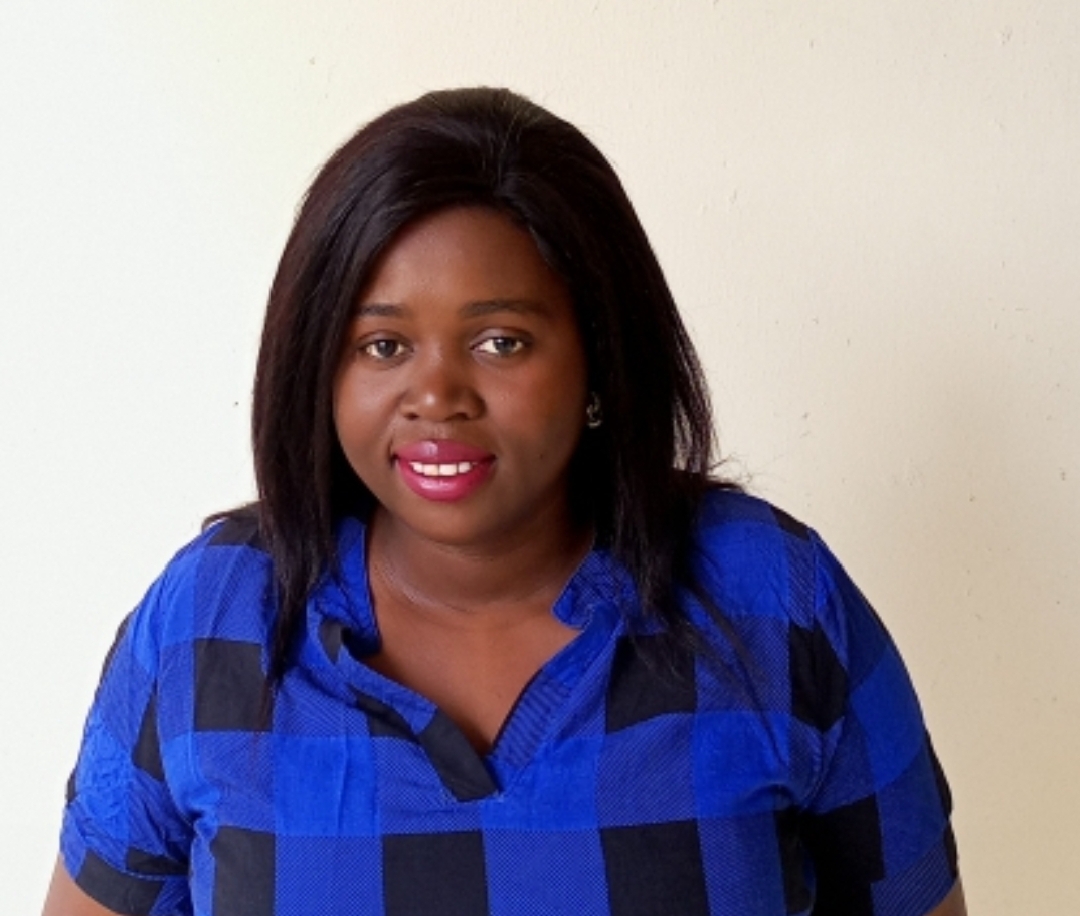
Stephanie E. Effevottu (she/her) is a graduate researcher at the University of Ibadan Nigeria. She also works with the Building Blocks for Peace Foundation Nigeria as Programme Director supporting the implementation of youth, peace, and security programmes.
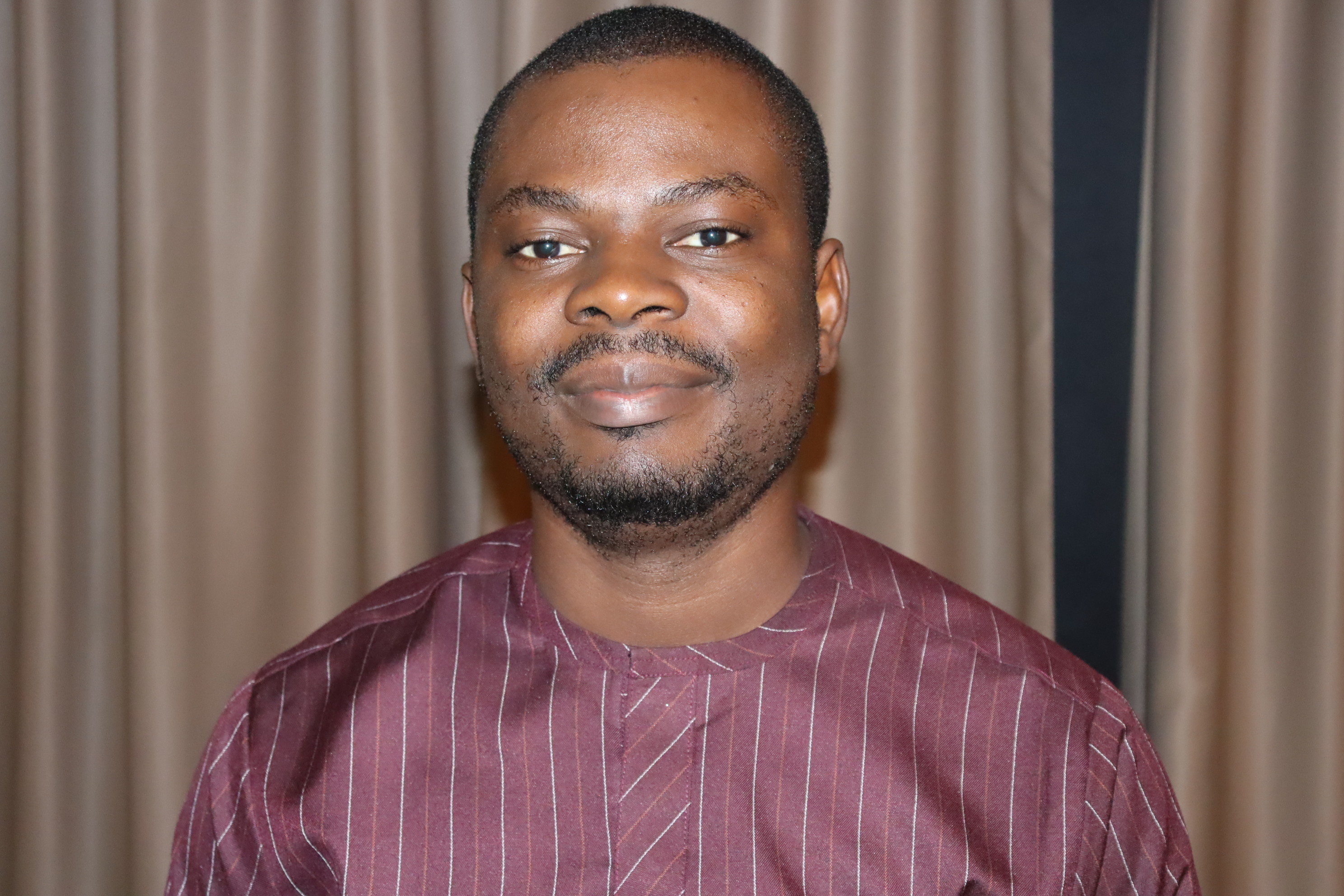
Rafiu Adeniran Lawal (he/him) has more than 8 years of experience in conflict prevention, peacebuilding, youth, peace and security and network management. Currently, Rafiu is the founder and executive director of the Building Blocks for Peace Foundation- a youth led network working on conflict prevention and peacebuilding in Nigeria. Previously he has worked as the regional coordinator of the United Network of Young Peacebuilders in West and Central Africa. He is also the regional representative for the Global Partnership for the Prevention of Armed Conflict (GPPAC) in West Africa. Rafiu participated in the development process of Nigeria’s first NAPYPS and now implements activities aimed at localizing the NAP.
The Philippines
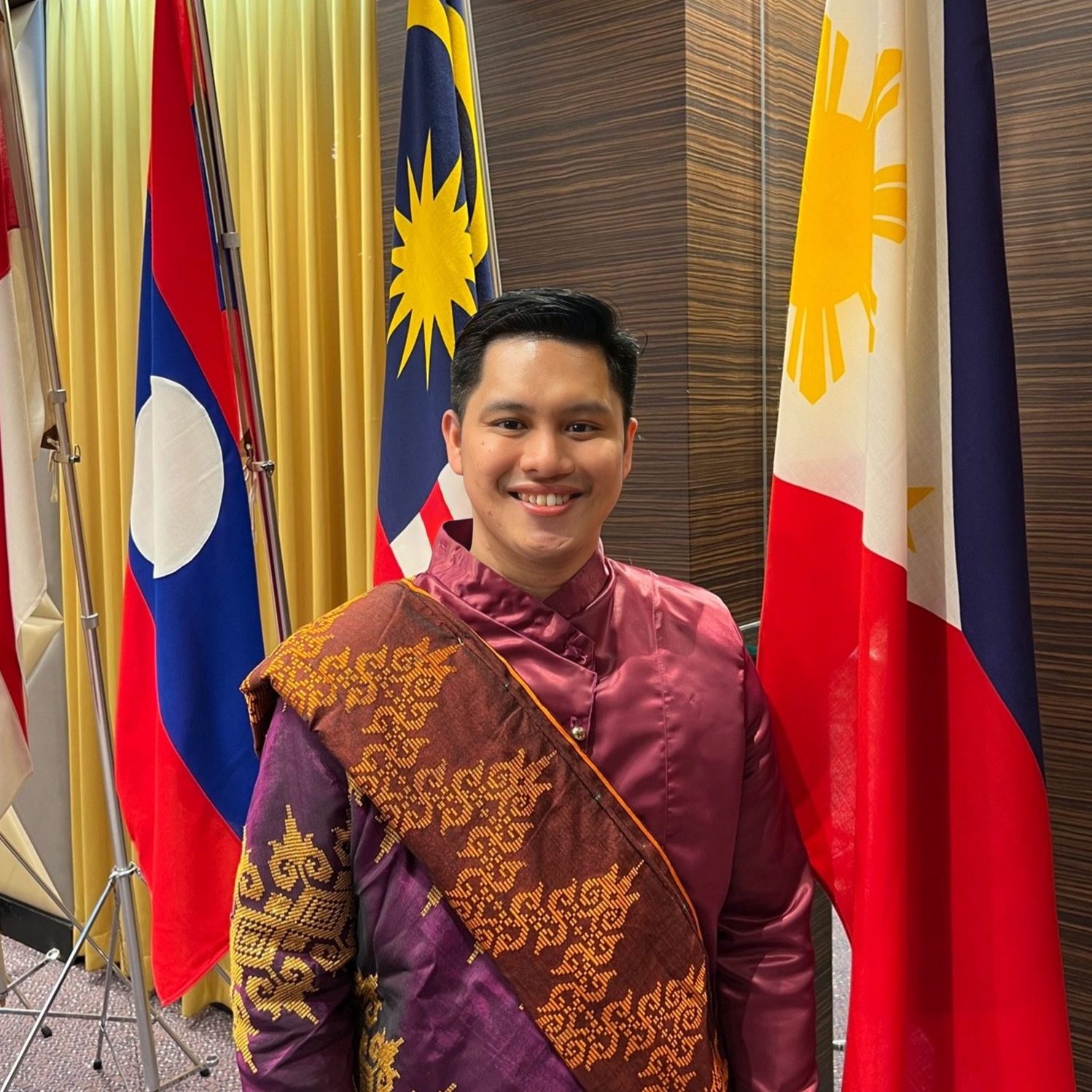
Brian Delos Santos (he/him) is one of the youth writers who drafted the Philippine National Action Plan on Youth, Peace and Security (YPS). He also serves as the lead convener of the Philippine Coalition on YPS.
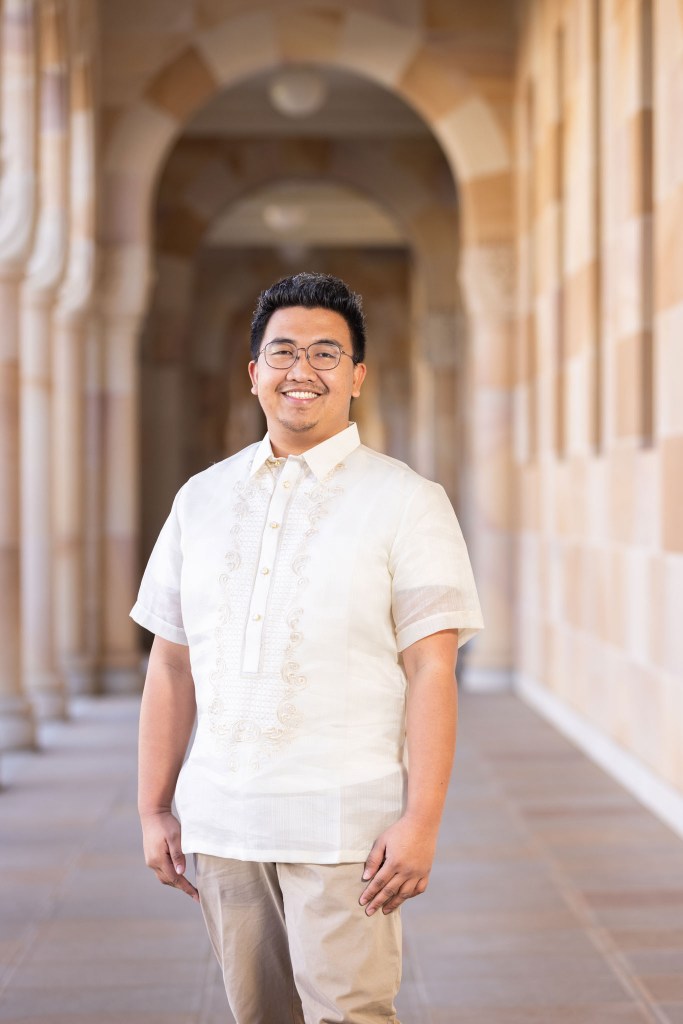
Rodolfo M. Matucan Jr (he/him) is a youth peace advocate with seven years of experience in youth peacebuilding, conflict resolution, and policy advocacy mainstreaming in the Bangsamoro Autonomous Region in Muslim Mindanao Philippines. He has recently completed a Masters of Peace and Conflict Studies in University of Queensland Australia.
 Helen Berents